

Exploring Ozempic as an Alternative for Weight Loss: What the Science Says
If you’ve been trying to lose weight and feel like you’ve already tried every diet, workout, and trendy supplement under the sun, you’re not alone. Lately, a medication called Ozempic—originally approved for type 2 diabetes—has been making headlines for its potential to help people shed pounds. But does it work for weight loss? And more importantly, is it safe? Let’s take a closer look at what the science says and whether Ozempic might be a reasonable alternative to traditional weight loss methods.
What is Ozempic, Anyway?
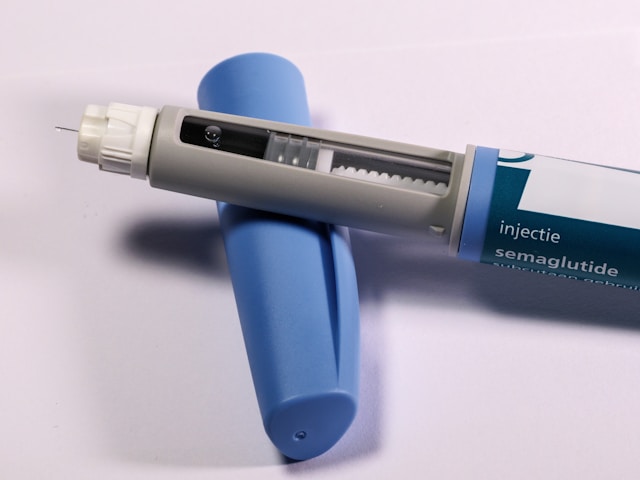
Ozempic is the brand name for semaglutide, a medication that was first developed to help manage blood sugar levels in people with type 2 diabetes. It works by mimicking a hormone called GLP-1, which affects areas of the brain that regulate appetite and food intake. Over time, researchers noticed that many patients on Ozempic were also losing weight—sometimes a significant amount. That discovery sparked a wave of new research into whether semaglutide could be used specifically for weight loss, even in people who don’t have diabetes.
The Science Behind the Weight Loss
Clinical studies on semaglutide have been pretty impressive. In one major trial, participants who took the drug lost an average of about 15% of their body weight over 68 weeks. That’s a big deal in the weight loss world, especially compared to the modest results most people see with diet and exercise alone. Researchers believe the drug works by slowing down digestion and reducing appetite, which leads people to eat less without feeling like they’re constantly fighting hunger.
Looking for Safe and Accessible Alternatives for Weight Management
While Ozempic may be making headlines, it’s not the only option out there. Many people are looking for safe and accessible alternatives for weight management that don’t require a prescription or come with the potential side effects of injectable medication. Lifestyle changes, nutritional support, behaviour therapy, and other medications approved specifically for weight loss are all part of the bigger picture. The key is working with a healthcare provider to find a plan that suits your body, lifestyle, and budget.
Is Ozempic a Good Option for Non-Diabetics?
The short answer is—it depends. While Ozempic has shown real promise in helping people lose weight, it’s not officially FDA-approved as a weight-loss drug unless it’s prescribed under the name Wegovy (which is a higher-dose version of semaglutide). Doctors can prescribe Ozempic “off-label” for weight loss, but it’s important to talk to a healthcare provider about whether it’s the right fit for your specific health goals and risks. It’s not a quick fix or a magic solution, but it can be a helpful tool for people who meet certain medical criteria.

What About Side Effects?
As with any medication, Ozempic comes with a few caveats. Common side effects include nausea, vomiting, and constipation—especially in the early weeks of use. Some people also report fatigue or dizziness. In rare cases, more serious issues like pancreatitis or gallbladder problems can occur. That’s why it’s so important to use this medication under medical supervision and to report any unusual symptoms as soon as they appear. It’s not something you want to experiment with just because it’s trending on social media. Ozempic is proving to be a powerful tool for weight loss—but it’s not for everyone, and it shouldn’t be seen as a shortcut. The science is solid, and for the right person, it can be life-changing. Still, the best weight loss plans are the ones that are safe, sustainable, and tailored to your unique needs. Whether you’re considering Ozempic or exploring other options, the most important step is making informed, well-supported choices on your journey to better health.