

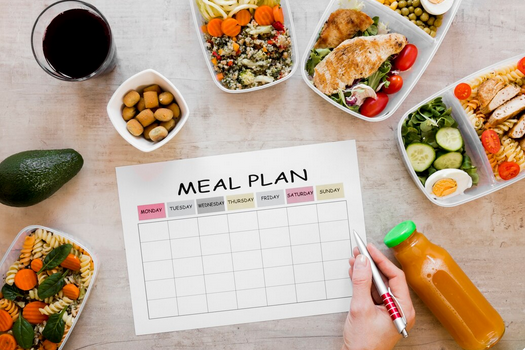
Practical Meal Planning Tips That Actually Work for Health Goals
Finding a meal plan that works isn’t always easy, but fitness coaches can help by using structured systems that actually fit into daily life. Resources like meal planning strategies for fitness professionals provide practical tools to guide clients toward consistency and better results. Meal planning is more than just picking foods—it’s about forming patterns that stick. A solid approach reduces stress, saves time, and sets people up for steady progress. Think of it as creating a game plan that makes eating feel less like a chore and more like an ally in hitting health goals.
Start With Simple Portion Guidelines
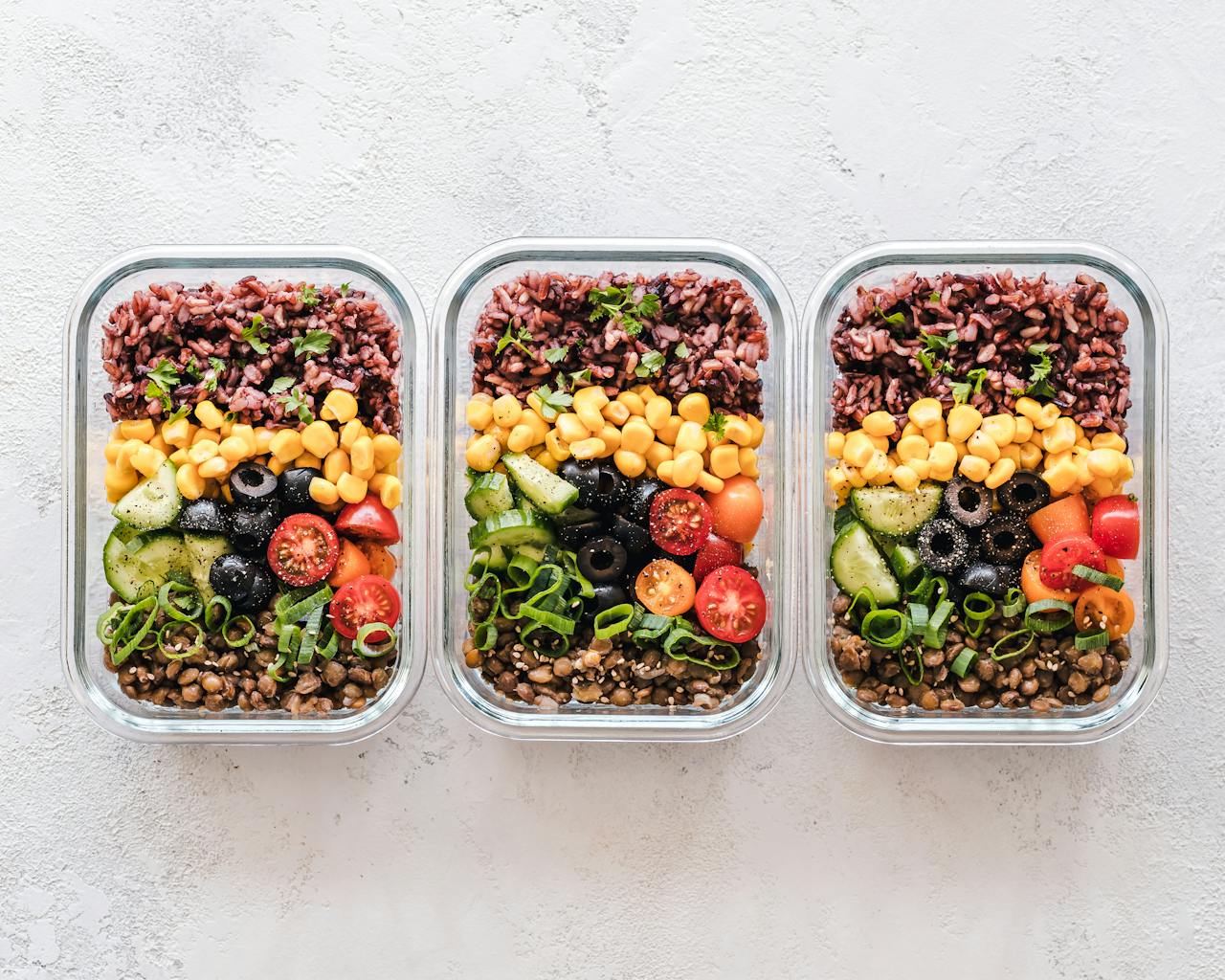 Portion sizes often feel like guesswork, and missteps can throw progress off track. One easy method is to use your hand as a guide—palms for protein, fists for carbs, and thumbs for fats. No scales needed, just a tool you always carry with you. This trick keeps meals balanced without the mental load of constant measuring. This approach is simple enough for anyone to use, no matter where they eat. It builds confidence while removing confusion around serving sizes. Clients feel more in control and less anxious about “getting it wrong.”
Focus on Easy-to-Prep Foods
Meal plans collapse quickly if cooking feels overwhelming. Stocking up on versatile basics like roasted chicken, beans, and frozen vegetables makes life much easier. These staples mix and match into meals without demanding much time. Quick swaps like pre-cut produce can save even more effort on hectic days. When meals take less effort, clients are less tempted by last-minute takeout. The fridge turns into a toolkit rather than a stress point. Eating better starts to feel achievable on even the busiest days.
Keep Variety Without Overcomplicating Things
Too little variety gets boring, but too much can feel like juggling too many moving parts. The sweet spot is a small rotation of meals that can be switched up without requiring constant new recipes. It’s variety that feels manageable, not exhausting. This balance makes healthy eating sustainable, not just a short-lived effort. One protein, for example, can become a salad topping, a stir-fry base, or part of a wrap. This kind of flexibility keeps meals interesting without overloading clients. Food becomes enjoyable again, instead of repetitive or stressful.
Plan Snacks That Prevent Cravings
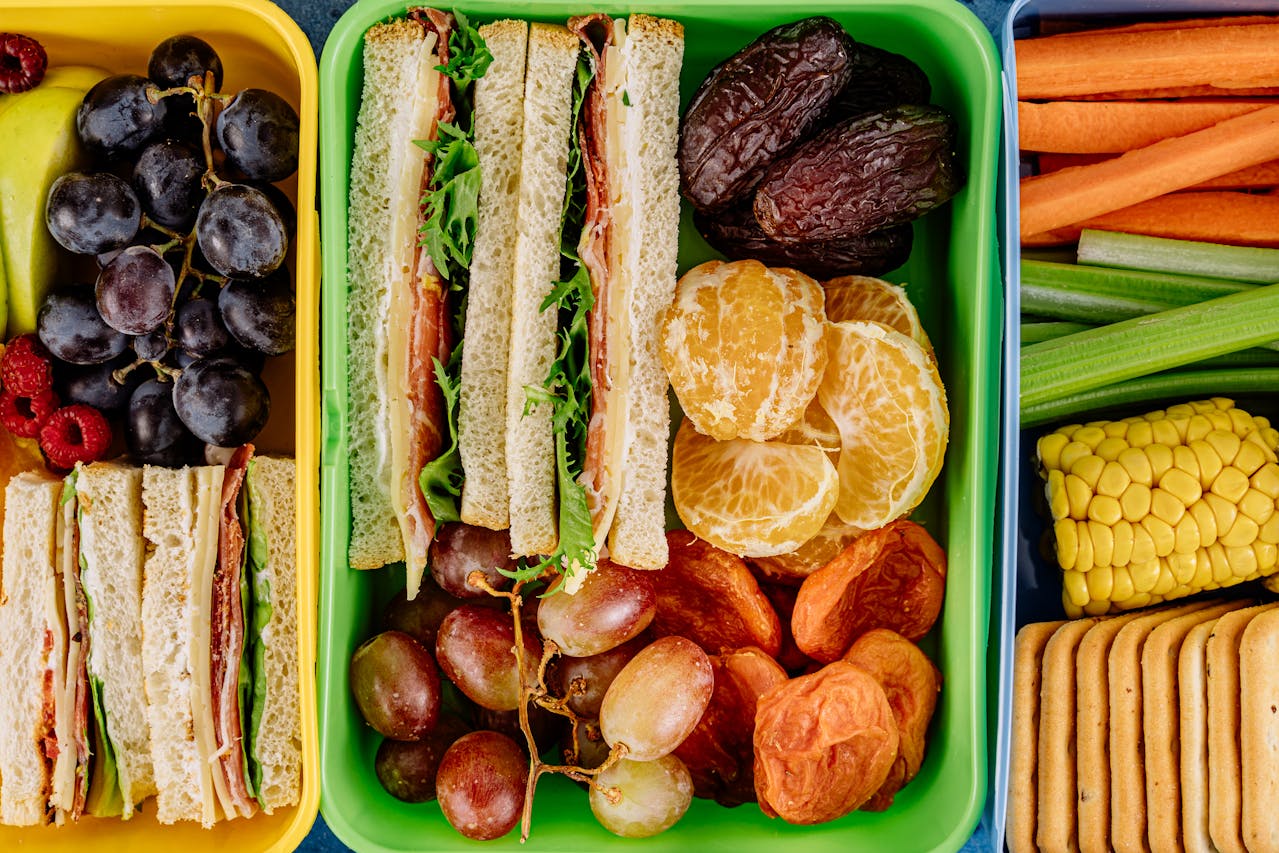
Snacking gets a bad rap, but the real issue is unplanned snacking. Keeping fruit, yogurt, or nuts handy helps people avoid energy crashes and poor choices. A little foresight makes snacks a strength instead of a setback. Healthy snacks work like guardrails, keeping hunger in check before it spirals. Clients who snack smarter often feel fuller and more satisfied. That prevents overeating at mealtimes and keeps energy levels steady. Over time, small tweaks like this have a big impact on results.
Adjust Based on Real-Life Feedback
No plan is perfect, and that’s okay. Life changes—travel, stress, or cravings—mean adjustments are part of the process. A flexible system bends with these changes instead of breaking. Clients should feel like they’re co-creating the plan. A good plan should feel like a conversation, not a rigid rulebook. If something isn’t working, swap it out for a better fit. Progress sticks when people feel the plan fits their lifestyle, not the other way around.
Meal planning doesn’t have to feel like rocket science—it’s about steady choices that stack up over time. Simple tools, flexible foods, and realistic variety give people the structure they need without boxing them in. With the right mindset, meal planning shifts from a burden to a powerful ally in building long-term health.