
MKP Health Club

Loading

exercising at the gym

Top Benefits of Maintaining a Consistent Workout Routine

Committing to a consistent workout routine can transform your physical and mental wellbeing. While many people approach exercise sporadically, the real benefits emerge when workouts become a regular part of life. Regular exercise strengthens the body, sharpens focus, and supports emotional balance. For professionals managing demanding schedules, adopting a structured fitness routine is particularly valuable. In fact, why entrepreneurs should prioritise diet and exercise highlights how consistent health practices can boost productivity, energy levels, and decision-making capabilities. Maintaining a steady exercise plan is not just about appearance—it is about enhancing daily performance, improving resilience, and cultivating habits that benefit both personal and professional life.

Improved Physical Health

The most obvious benefit of consistent workouts is enhanced physical health. Regular exercise strengthens muscles, improves cardiovascular endurance, and increases flexibility. It reduces the risk of chronic illnesses such as heart disease, diabetes, and high blood pressure. A steady exercise regimen helps regulate weight and boosts metabolism, contributing to overall longevity. Even moderate daily activity, when repeated consistently, produces measurable improvements in energy and stamina. The cumulative effects of regular movement outweigh sporadic intense sessions, proving that steady effort sustains better long-term results than irregular bursts of activity.

Enhanced Mental Clarity and Focus

woman exercising

Regular workouts have significant effects on cognitive function. Exercise increases blood flow to the brain, improving alertness, concentration, and memory retention. This effect is particularly important for individuals who manage demanding workloads, as it promotes clearer thinking under pressure. Mental fatigue is reduced, allowing more consistent performance throughout the day. Additionally, physical activity stimulates the release of endorphins and other neurochemicals that support mood regulation and reduce mental stress. Over time, consistent exercise strengthens mental resilience, making it easier to handle complex tasks and make sound decisions.

Emotional Stability and Stress Reduction

Another key advantage of maintaining a regular workout routine is the improvement in emotional wellbeing. Physical activity reduces stress by lowering cortisol levels and stimulating positive neurotransmitters. Regular exercise creates a predictable outlet for tension and anxiety, promoting a more balanced emotional state. People who stick to a routine often report feeling calmer, more confident, and better able to manage daily pressures. The combination of physical exertion and mental focus during exercise can act as a natural form of therapy, helping maintain equilibrium even during challenging periods.

Establishing Consistent Healthy Habits
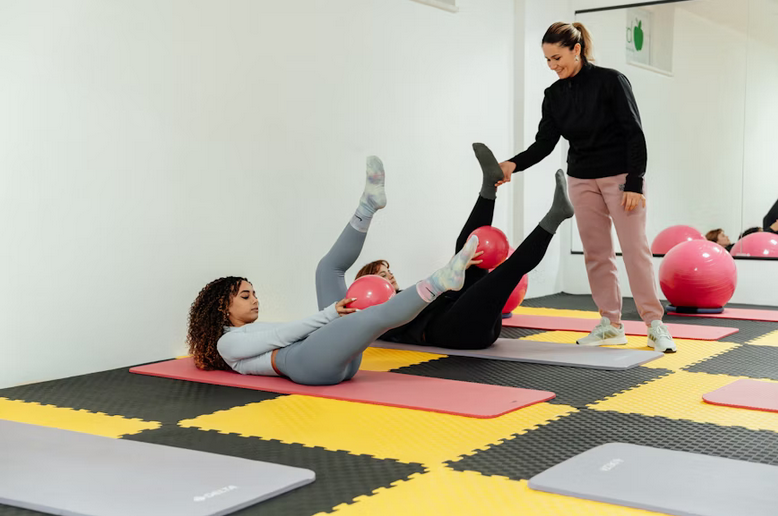
healthy habits

Maintaining a regular exercise schedule reinforces broader healthy behaviors. People who exercise consistently are more likely to make better dietary choices, maintain adequate sleep, and adopt other wellness practices. A routine creates structure, which encourages discipline across different aspects of life. By repeating positive actions daily or weekly, individuals reinforce habits that extend beyond fitness. This self-reinforcement contributes to sustained lifestyle improvements, making it easier to resist unhealthy impulses and prioritize wellbeing over time.

Increased Energy and Productivity

Regular exercise directly contributes to higher energy levels. Improved circulation, oxygen delivery, and muscular efficiency allow individuals to perform daily tasks more effectively. For professionals, this translates to increased productivity and the ability to maintain focus for longer periods. Exercise energizes the body, helping combat fatigue that arises from extended work hours or demanding schedules. By integrating physical activity into a routine, people often find themselves more alert, motivated, and capable of managing responsibilities with less strain. This benefit is amplified when combined with proper diet and recovery practices, creating a sustainable cycle of high energy and performance.

Maintaining a consistent workout routine delivers multiple benefits that extend far beyond physical appearance. Improved health, enhanced mental clarity, emotional stability, reinforcement of healthy habits, and increased energy all contribute to a higher quality of life. When exercise becomes a predictable and ongoing practice, it creates a foundation for sustainable wellbeing. The advantages compound over time, helping individuals manage stress, stay productive, and maintain balance in both personal and professional spheres. Regular fitness is not just a temporary effort—it is a long-term investment in health, resilience, and overall life performance.
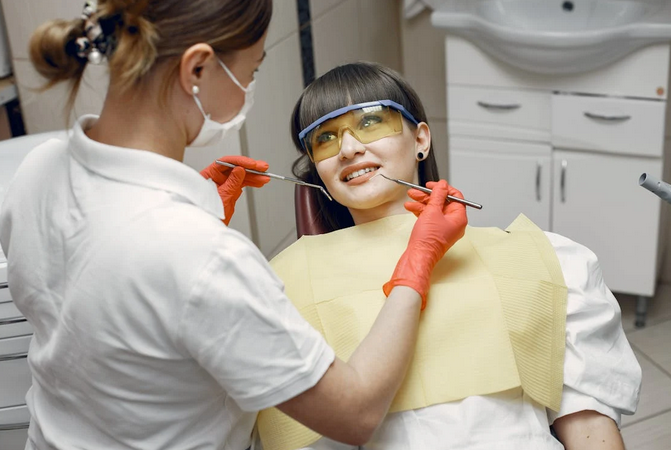
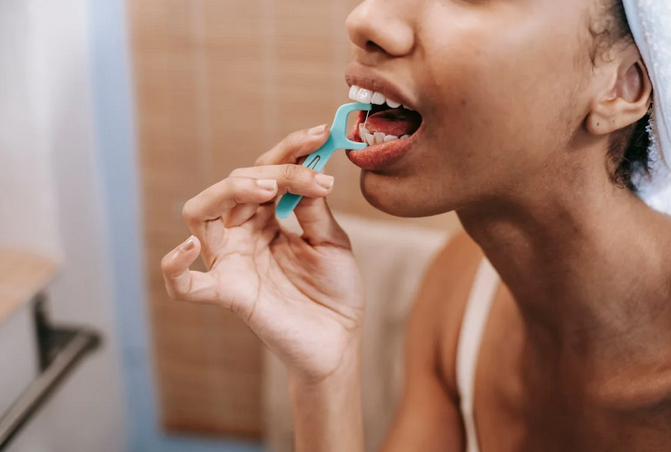
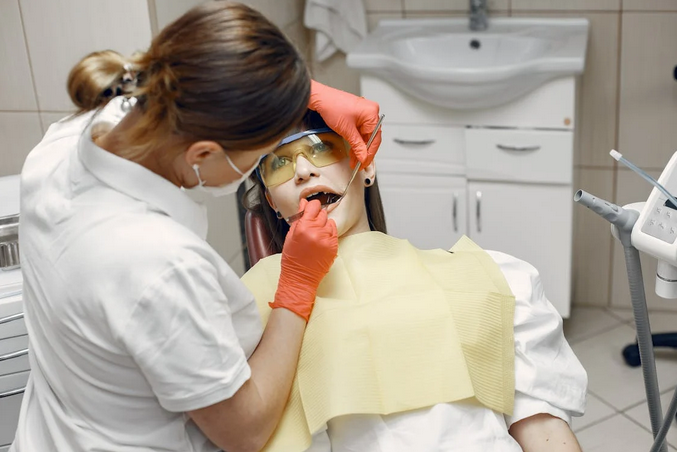
dental treatment

Why Preventive Dental Care Is a Key Part of a Healthy Lifestyle

Good oral health is more than a bright smile. It plays a crucial role in overall wellness. Preventive dental care focuses on maintaining healthy teeth and gums before problems arise. Regular check-ups, cleanings, and at-home habits can save individuals from discomfort, costly procedures, and long-term health issues. By prioritizing prevention, people ensure their oral health supports general well-being. This article explores why preventive dental care is a key part of a healthy lifestyle and how small daily choices can make a lasting difference. For more information, visit https://sites.google.com/view/clearwave-dental/ere.

The Role of Preventive Dental Care

Preventive dental care is about stopping problems before they start. It includes routine check-ups, professional cleanings, fluoride treatments, and patient education. Dentists can detect early signs of decay, gum disease, or other oral issues. Early intervention often avoids more complicated treatments. Prevention is less invasive and less expensive than corrective procedures. By focusing on preventive measures, individuals maintain oral function, comfort, and confidence.

Daily Oral Hygiene Habits

dental floss

Brushing and flossing are the foundation of preventive care. Brushing twice a day removes plaque and food particles, while flossing reaches areas a toothbrush cannot. Using fluoride toothpaste strengthens enamel and protects against decay. Consistent habits may seem simple, but they have a profound impact on long-term oral health. This routine forms a strong baseline that allows dental professionals to build on during check-ups.

Regular Dental Check-ups

Visiting the dentist regularly is essential for monitoring oral health. These visits allow professionals to identify early signs of cavities, gum disease, or other conditions. Check-ups also provide personalized advice tailored to individual needs. For example, dietary recommendations or adjustments in oral care routines can be suggested. Routine visits give patients peace of mind, knowing their oral health is under professional supervision.

Professional Cleanings and Their Benefits

Even with diligent home care, plaque and tartar can accumulate in hard-to-reach areas. Professional cleanings remove these deposits and help prevent gum inflammation and tooth decay. Cleanings also polish teeth, improving appearance and reducing surface stains. Regular professional care supports healthier gums, fresher breath, and overall comfort. This unique combination of maintenance and aesthetics highlights the importance of preventive dentistry.

Prevention of Gum Disease

Prevention of Gum Disease

Gum disease is a common but preventable condition. Early stages, such as gingivitis, can be reversed with proper care. Without treatment, it can progress to periodontitis, leading to tooth loss and systemic health problems. Preventive care, including cleanings and proper at-home habits, helps ensure gums remain healthy. Healthy gums support teeth and maintain jaw strength, contributing to overall oral stability.

Education and Awareness

Preventive dental care also emphasizes education. Understanding the causes of decay, proper brushing techniques, and dietary influences empowers patients. Awareness encourages better habits and encourages individuals to seek timely care. By staying informed, patients can actively participate in maintaining their oral health. Knowledge and prevention together ensure sustainable outcomes.

Connection Between Oral Health and Overall Wellness

Oral health is closely linked to general health. Poor dental care can contribute to cardiovascular disease, diabetes complications, and respiratory infections. Maintaining a healthy mouth may help reduce inflammation and improve overall bodily function. Preventive care allows individuals to protect not only their teeth but also their long-term health. This holistic perspective reinforces why oral care is an integral part of a healthy lifestyle.

Preventive dental care is a cornerstone of a healthy lifestyle. It protects teeth and gums, reduces the risk of complex treatments, and supports overall wellness. Daily oral hygiene, regular check-ups, professional cleanings, and awareness all work together to maintain optimal oral health. The utmost benefit of prevention lies in long-term comfort, confidence, and well-being. By prioritizing preventive measures, individuals ensure their smiles remain healthy, functional, and vibrant for years to come.

lifter

Why Lifting Too Heavy Too Soon Is a Dangerous Gym Mistake

Starting a gym routine is an exciting step toward building strength, improving fitness, and achieving personal health goals. However, one of the most common mistakes new lifters make is trying to lift too heavy, too soon. While it might feel motivating to push big numbers early on, this is one of the common gym mistakes you need to fix. Jumping into heavy lifting without building a proper foundation can set back your progress and, in some cases, cause long-term damage. Understanding why this mistake is dangerous can help you train smarter and avoid unnecessary setbacks.

Increased Risk of Injury

When you attempt weights that are too heavy for your current strength level, your muscles, tendons, and joints are put under excessive stress. Without proper conditioning, your body is not ready to handle the load, making injuries like muscle strains, ligament tears, and back issues more likely. Poor form often comes into play as well, since lifters sacrifice technique to move heavier weights. These injuries not only derail your progress but can also take weeks or even months to fully recover from.

Slower Progress Over Time

Contrary to the belief that lifting heavier leads to faster results, starting too heavy can actually slow progress. Overexertion tires out your muscles quickly and reduces the quality of your workouts. Instead of consistent, steady growth, you risk frequent plateaus and burnout. Building strength is a gradual process that relies on progressive overload, slowly increasing weight in manageable increments. This method strengthens muscles, joints, and stabilizers, ensuring long-term development rather than short bursts of unsustainable effort.

Negative Impact on Motivation

motivation

Lifting too heavy too soon can also take a toll on your confidence. Struggling with weights that are beyond your ability often leads to frustration and discouragement. Missed reps, failed sets, and constant fatigue can make training feel more like a punishment than progress. Many beginners lose motivation entirely because they fail to see results or injure themselves early on. By starting with manageable weights, you build a sense of achievement and confidence that fuels consistency, which is the real secret to fitness success.

Wrong Forms and Techniques

The early stages of training should focus on mastering technique rather than testing limits. Learning proper form with lighter weights creates a strong foundation that prevents injury and allows you to lift heavier later with confidence. Once the movement patterns are ingrained, adding weight becomes safer and more effective. Skipping this step often leads to bad habits that are difficult to correct down the road, limiting your growth potential.

Smart Training for Long-Term Success

The safest and most effective way to progress in the gym is to start with weights you can handle comfortably and gradually increase them over time. This method strengthens your muscles and connective tissues while also improving endurance and stability. Combining proper nutrition, rest, and consistent training will bring better results than rushing into heavy lifting. Remember, the goal isn’t just to lift the heaviest weight today—it’s to train in a way that allows you to keep lifting for years to come.

Lifting too heavy too soon is one of the most dangerous mistakes beginners make in the gym. It leads to injuries, slower progress, and diminished motivation, all of which can halt your fitness journey before it truly begins. By focusing on form, gradual progression, and consistency, you create a foundation that supports long-term success. Smart lifting is not about rushing into heavy weights but about training in a way that ensures safety, strength, and steady improvement.

fitness

Top Fitness Apps That Are Actually Useful for Weight Loss

College life often means juggling lectures, deadlines, socializing, and surviving on instant noodles. With such a hectic schedule, fitness tends to take the backseat. Fortunately, modern students have a secret weapon at their fingertips: fitness apps. These digital tools are reshaping how students stay active, making exercise more accessible and far less intimidating. Whether you’re cramming for finals or just trying to stretch your legs between Zoom classes, these apps can help get you moving—without turning your life upside down. And if you’re also trying to maintain a healthier weight through easier routines, check out these 10 effortless weight loss hacks for college students as featured in The Fox Magazine. Below, we dive into the top apps that aren’t just buzzworthy—they’re practical for student life.

Nike Training Club – Power in Simplicity

Nike Training Club doesn’t overload users with fluff. Instead, it offers a direct and wide-ranging catalog of workouts, from 5-minute mobility warmups to 45-minute strength circuits. Students can select workouts based on time, equipment (or lack thereof), or muscle focus. Whether you’re in a dorm room or sneaking in a workout at the library courtyard, this app adapts. There are guided videos for beginners and expert-level routines alike. Plus, its clean interface makes finding and saving workouts a non-stressful process, ideal for chaotic study breaks.

FitOn – A Free Fitness Playground

fiton app

FitOn stands out because it doesn’t hide quality behind a paywall. It’s free and packed with routines from celebrity trainers and wellness coaches. You’ll find HIIT, yoga, strength training, and even meditation sessions—all without needing a gym membership or fancy tools. For students who aren’t sure where to start or don’t like traditional gym culture, FitOn feels welcoming. There’s no “perfect body” narrative—just movement for the sake of feeling better. Plus, the social features let friends join your workouts, even if you’re on opposite sides of campus.

7 Minute Workout – Quick Wins, Big Results

Let’s face it: some days, even 30 minutes feels like a luxury. That’s where 7 Minute Workout earns its stripes. It’s ideal for students who think they “don’t have time.” This app offers short, intense circuits that rely on bodyweight exercises—think jumping jacks, wall sits, and planks. Its a timed format that removes the guesswork. You open it, hit Start, and follow the instructions. No scrolling, no playlists to choose, no brainpower required. Just quick effort and done. This app is especially popular among morning-class warriors who want to shake off grogginess fast or midnight cramers looking for a break.

MyFitnessPal – Beyond Just Calorie Counting

Although technically more of a nutrition app, MyFitnessPal is invaluable when paired with a fitness routine. College students often misjudge how much (or little) they’re eating. This app helps track meals, water intake, and exercise in a single spot. While its food database is extensive, the real game-changer is the ability to scan barcodes or save recipes. Whether you’re grabbing a cafeteria salad or preparing instant ramen, you can log it all. It syncs with many other fitness apps, giving a broader overview of your wellness efforts without any heavy lifting—mentally or otherwise.

Down Dog – Stress-Relief Meets Strength

Yoga has long been a go-to for relaxation and flexibility, and Down Dog turns it into an easily customizable experience. You can choose your level, focus area, duration, and even background music. One feature that stands out is how each session is algorithmically assembled, so you’re not repeating the same flow over and over. Perfect for decompressing after exams or stretching out sore legs after sitting too long, Down Dog helps students recalibrate physically and mentally. And since it works offline, it’s a strong companion for off-campus retreats or quiet library corners.

Balancing fitness with college life doesn’t require a massive lifestyle overhaul or expensive gear. The right apps can help students develop sustainable habits without overwhelming their already-packed schedules. From bite-sized workouts to guided yoga flows and nutrition tracking, these tools offer an approachable way to prioritize health amidst academic chaos. With consistency and the right app in your pocket, staying active becomes far more realistic—and far less stressful.

care

How Luxury Rehab Centres Combine Comfort and Clinical Excellence for Faster Recovery

Luxury rehab centres have redefined the way people view addiction treatment and mental health care. They go beyond the basic approach of therapy and medical supervision. Instead, private rehab facilities in sydney create an environment where comfort meets clinical precision. This combination not only helps clients feel at ease but also supports better engagement in their recovery journey. By addressing both physical and emotional needs, these centres aim to make the healing process more effective.

The Power of a Comfortable Environment

The setting plays a crucial role in how people respond to treatment. A warm, well-designed space reduces feelings of stress and anxiety. In luxury rehab centres, rooms often resemble those in boutique hotels rather than hospital wards. Calming interiors, scenic views, and high-quality amenities help clients feel safe and valued. When individuals feel comfortable, they are more open to therapy and more willing to participate actively in their treatment plan.

Clinical Excellence at the Core

clinical

While comfort is a defining feature, the heart of a luxury rehab lies in its medical and therapeutic standards. These facilities employ highly trained professionals, from experienced psychiatrists to certified counsellors. Evidence-based treatments such as cognitive behavioural therapy, medication-assisted treatment, and holistic care are common. Regular assessments ensure that each client receives a tailored programme that adapts as their needs evolve. The blend of advanced medical care with attentive support creates a strong foundation for lasting recovery.

Personalized Care for Lasting Change

Every person’s recovery journey is unique. That’s why luxury rehab centres invest in individualised care plans. From the initial assessment, the treatment approach is designed to match the client’s history, triggers, and goals. This personalisation often extends to daily schedules, therapy formats, and even meal plans. Such attention to detail ensures that clients feel heard and respected, which can be a powerful motivator in sticking to their recovery path.

Holistic Therapies That Support Healing

therapy

Healing is about more than overcoming addiction. It’s about restoring balance in life. Luxury rehab centres often integrate holistic therapies alongside medical treatments. Yoga, meditation, art therapy, equine-assisted therapy, and nutrition counselling are just a few examples. These practices help clients reconnect with themselves and develop healthy coping strategies. The focus on the mind-body connection makes recovery a more enriching and sustainable experience.

Privacy and Discretion as a Priority

For many clients, especially public figures or professionals, privacy is essential. Luxury rehab centres understand this need and design their services accordingly. Secure, secluded locations, strict confidentiality policies, and limited client numbers ensure discretion. This privacy allows clients to focus on their recovery without the added pressure of public attention or stigma. The sense of security also fosters trust between the client and the care team.

The combination of comfort and high-level clinical care creates an environment where clients can focus entirely on healing. Reduced stress from comfortable surroundings allows the body and mind to respond more positively to treatment. At the same time, expert medical care ensures progress is monitored and adjusted for the utmost effectiveness. This synergy can lead to faster recovery times, higher programme completion rates, and more sustainable results long after clients leave the facility.

dentures

The Role of Modern Dentures in Supporting Better Nutrition and Oral Health

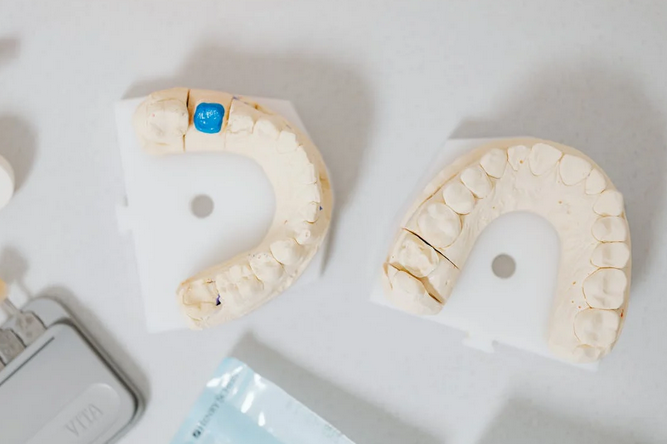
Dentures have come a long way from the basic, rigid designs of the past. Today, dental practices carefully craft them to fit comfortably, look natural, and function efficiently. Modern dentures can replace a single tooth, multiple teeth, or even an entire arch. For many people, they are not just a cosmetic solution. They are a vital tool for maintaining proper oral function and overall health.

Supporting Digestive Health

When teeth are missing, people often favor softer, processed foods that are easier to eat. While convenient, these choices may lack the fiber and nutrients necessary for a healthy digestive system. By restoring the ability to chew effectively, dentures allow for better breakdown of foods, which aids digestion and nutrient absorption. This is particularly important for older adults, whose digestive efficiency naturally declines with age.

Maintaining Jawbone and Oral Structure

Modern dentures also play a role in preserving oral structures. Tooth loss can lead to bone resorption in the jaw, causing changes in facial shape and bite alignment. While dentures don’t fully prevent bone loss, well-designed options help distribute bite forces evenly across the jaw. This reduces strain and preserves oral structures, supporting healthier teeth, gums, and jaw alignment for those who still have natural teeth remaining.

Improving Chewing Efficiency

Chewing is the first step in digestion, and missing teeth can make it difficult to break down food properly. Modern dentures restore this function by providing a stable surface to chew against. With a well-fitted set of dentures, individuals can enjoy a wider variety of foods, including fruits, vegetables, and proteins that may have been difficult to eat before. This helps maintain balanced nutrition, which is essential for overall health.

Enhancing Speech and Confidence

Missing teeth can affect speech, making it difficult to pronounce certain words clearly. Modern dentures restore proper tongue and lip support, allowing for clearer speech and communication. Beyond function, dentures boost confidence. Feeling comfortable with your smile encourages better social interactions, which positively affects mental well-being a crucial aspect of overall health.

Integrating Dentures Into Daily Oral Care

Dentures require daily care to maintain their benefits. Cleaning dentures removes bacteria that can lead to gum disease and bad breath. Soaking them overnight and brushing gently ensures longevity and hygiene. Regular dental check-ups are also important to monitor fit and oral health. Dentures, when properly cared for, become a seamless part of a healthy lifestyle, supporting both nutrition and overall oral health.

Considering Custom Fit for Maximum Benefit

The effectiveness of dentures depends heavily on fit. Poorly fitting dentures can cause sores, discomfort, and difficulty chewing, undermining nutrition and oral health. Modern dental practices use advanced techniques to design dentures that match the unique contours of each mouth. Custom fitting reduces slippage, improves bite alignment, and maximizes comfort. Patients can enjoy their meals and maintain proper oral hygiene without pain or irritation.

The impact of modern dentures goes beyond eating and speaking. By allowing proper nutrition, they help maintain energy, support immune function, and reduce the risk of chronic conditions associated with poor diet. They also protect remaining teeth and oral tissues, creating a healthier environment for the mouth. With proper use and care, dentures contribute to improved quality of life and sustained well-being.

soccer player

Inside the Grind: How Soccer Players Keep Their Bodies in One Piece

Ask any top player, staying healthy is half the battle. Talent only takes you so far when your hamstring decides it’s had enough. If you’re curious how pros keep themselves going at full tilt, especially in a sport that’s as unforgiving as soccer, look no further. Even platforms like https://noticiasbo.com/ cover how athletes protect their bodies and bounce back when they hit the turf wrong.

Prevention Is the Real MVP

These guys aren’t superhuman. They just put in serious work behind the scenes. Let’s break it down. Soccer players don’t just show up and play. They prepare like it’s their job, because it is. Pre-game routines start way before kickoff. Foam rolling, dynamic stretches, and muscle activation drills help warm the engine before it redlines. It’s not about overthinking, it’s about moving smart. Skipping prep is a fast track to injury. And no one wants to spend match day stuck in a physio room watching reruns of games they should be in.

Common Injuries Aren’t Always Dramatic

injured

You’d think the worst hits would come from massive collisions. But honestly, most injuries come from overuse or awkward landings. Think groin strains, sprained ankles, or the infamous ACL tear. Even shin splints or tight calves can bench a player if left unchecked. The body has limits, and soccer tests every single one of them, such as sprinting, cutting, twisting, and then doing it all again for 90 minutes.

Recovery Isn’t Just Rest

Sure, sleep helps. But recovery these days looks like ice baths, compression boots, massage guns, and weird-looking stretch bands. And let’s not ignore the power of boring stuff, hydration, and solid meals. Some players swear by yoga or swimming on their off days. Others just sit in dark rooms with recovery boots and Netflix. Whatever works.

Injury Rehab Is a Full-Time Job

Getting hurt sucks. Getting back? That’s even tougher. The process is slow. Think tiny movements. Isolated muscle work. Rebuilding trust in your own body. One pro once said tearing his meniscus felt easier than the rehab that followed. There’s no shortcut. But patience and sticking with the plan usually win.

Mindset Can’t Be Ignored

hit

Injuries mess with your head just as much as your body. Players doubt themselves. They second-guess every move. So mental strength becomes as important as physical strength. Coaches, teammates, therapists, they all pitch in. Support systems matter more than most people think. Even a simple check-in can boost confidence and keep a player on track.

Gear Matters More Than You Think

Shoes that fit right. Shin guards that don’t shift. Even socks that wick sweat instead of turning into a soggy mess. It might sound small, but good gear can save joints, prevent blisters, and even improve form. Plenty of injuries start with something as silly as a worn-out sole or the wrong stud pattern. Players don’t just gear up, they gear smart.

Soccer demands everything: speed, power, and resilience. Staying healthy isn’t just luck. It’s a craft. And whether it’s an elite athlete or a weekend warrior, caring for your body is always worth the effort. Just remember, the best players aren’t just fast or flashy. They’re the ones who stay on the pitch.

sleep

How Quality Sleep Boosts Immunity and Growth in Children

Sleep is not just rest. For children, it’s a critical part of healthy development. While kids sleep, their bodies and brains go through processes that can’t happen as efficiently while awake. Immune strength and physical growth both depend on quality sleep. Understanding how sleep supports these systems helps parents make better choices around routines, environment, and daily habits, including implementing these simple strategies for better sleep in children.

The Role of Sleep in the Developing Body

Children’s bodies are in a constant state of change. Bones grow, tissues repair, and hormones shift from infancy through adolescence. Sleep is when much of this activity happens. During deep sleep, the body releases growth hormone, which supports cell repair and tissue development. This isn’t just about height. It also involves organ health, muscle development, and bone strength. A lack of sleep interferes with these essential functions. When a child sleeps poorly or too little, the release of growth hormone may decrease. Over time, that can slow or disrupt physical development.

How Sleep Supports the Immune System

The immune system needs rest to do its job well. While asleep, the body produces proteins called cytokines. These proteins target infection and inflammation. Cytokines are especially important when the body is fighting off illness or recovering from stress. Children who don’t get enough quality sleep may have a reduced ability to produce these proteins. That means they may be more likely to get sick and take longer to recover. Good sleep ensures that the immune system has the tools it needs to protect the body day and night.

Sleep and Vaccination Response

Vaccines help build long-term immunity by training the body to recognize harmful viruses or bacteria. But for vaccines to work effectively, the body must respond properly after they’re given. Sleep plays a direct role in this response. Studies show that children who sleep well before and after vaccinations are more likely to develop strong immunity. Poor sleep, on the other hand, can weaken the immune response, making the vaccine less effective. This connection highlights the importance of sleep around the time of routine immunizations.

Signs of Sleep Deprivation in Children

Tired children don’t always look tired. Instead of acting sleepy, many become irritable, hyperactive, or emotional. Other signs may include poor focus, frequent illness, slow physical growth, or mood swings. When a child is chronically sleep-deprived, the impact can extend beyond the immune system and growth. Sleep affects attention, memory, and learning. So a child who isn’t sleeping well may also struggle in school or during physical activities.

How Much Sleep Children Actually Need

Sleep needs change with age. Newborns need up to 17 hours. Toddlers require around 11 to 14 hours. By the time children are school-aged, they should still be getting 9 to 12 hours each night. Teens need about 8 to 10. Getting the right amount isn’t enough by itself. The quality of sleep matters just as much. A child who wakes frequently or has difficulty falling asleep may not be getting enough deep sleep to support immunity and growth. A consistent bedtime, calm environment, and screen-free wind-down time can all help ensure better rest.

The Long-Term Benefits of Consistent Sleep

Establishing strong sleep habits early leads to long-term health benefits. Children who get enough rest tend to have better growth patterns, stronger immune systems, and improved emotional regulation. These children are also more likely to stay healthy as they age. Good sleep habits reduce stress hormones, support metabolism, and improve resilience. They also help children perform better in school and enjoy more energy during play. The result is a more balanced and capable child, both physically and emotionally.

Parents play a key role in setting the tone for sleep. This doesn’t mean strict routines at all costs. Instead, it means creating an environment where sleep is protected and prioritized. This includes setting bedtimes that allow for adequate rest, limiting caffeine and sugar in the evening, and reducing noise and distractions in the bedroom. Every child is different. Some may need a longer wind-down period. Others may benefit from soft lighting or white noise. Finding what works takes time, but the effort pays off. When children sleep well, they’re better equipped to grow, fight off illness, and face each day with strength.

exercise routine

How Moving Your Body Can Fire up Your Brain

Some days, staring at a page of homework feels like trying to decode an alien language. You know the deadline is creeping closer, but your body’s glued to the couch. This is where your limbs can help your brain out and you need some motivation hacks for tackling assignments.

Before cracking open the books, try moving around. Seriously. It might sound unrelated, but movement often flips the switch upstairs too. It’s a little-known trick buried inside many effective routines. Read on and you’ll be glad you’ve got something from this post.

Your Body Feeds Your Brain

Ever notice how ideas seem to pour in after a walk or a workout? That’s no coincidence. When you move, blood starts to pump faster. Oxygen flows better. Your brain gets what it needs to work with more clarity. Even a brisk stroll can change the tone of your entire afternoon. The shift doesn’t require a gym membership. You don’t need weights, gear, or even fancy sneakers. A few jumping jacks, dance moves in your kitchen, or a five-minute stretch can be enough. You’re not chasing a six-pack, you’re jolting your brain awake.

Mood Follows Motion

One of the sneakiest reasons motivation slips is mood. Low mood = low drive. The quickest way to shake it off? Move your body. Physical activity encourages feel-good chemicals like dopamine and serotonin to kick in. You won’t turn into a Zen master overnight, but the fog lifts. You start to care again, even if just a little. That’s usually all it takes to start.

Movement Breaks Beat Mental Blocks

plank

Staring harder doesn’t help. Sometimes the best way to solve a problem is to walk away, literally. Move your legs, clear your thoughts, and then circle back. A mental reset isn’t just a luxury, it’s a tactic. Athletes do it between games. Creatives do it mid-project. Students should too.

Make It a Ritual, Not a Reward

When your thoughts get tangled, physical activity gives your brain space to breathe and reorganize. So, don’t treat movement like a prize you get after finishing your work. Treat it like the match that lights the fire. A short workout, a stretch, or even just marching in place can become the signal that it’s time to switch into gear. Some people swear by doing ten pushups before sitting down to write. Others clean their desk or do a silly dance. The point isn’t perfection—it’s momentum. Start there. Let the rhythm carry you into a more focused state.

No One’s Asking for a Marathon

running

Don’t overthink it. You’re not training for a triathlon. You’re just jumpstarting your focus with something your body already knows how to do. If motivation feels slippery, movement might be the grip you’re missing. Try it once. Then again. Before long, moving first becomes a habit. And the work? It gets done. There’s no magical fix for procrastination. But if sitting still isn’t working, maybe it’s time to stand up, shake it off, and let your feet do the thinking.

Woman stretching exercise

Best Workout Plans For Beginners

Workouts are ways or methods that are used to do exercises to maintain the body size or to build muscles and many others. Having a guide is also good as well as it will direct you on what to do at particular times. This will lead to a healthy stay in life.

Guide

High intensity training

Man doing a muscle trainingFar too many people spend hours on the treadmill, and it does not give them all of the benefits that they need. Rather than these long-term forms of cardiovascular exercise, do some high-intensity interval training. This is where you go hard for one minute, and then easy for an equal or longer amount of time. Cycle your way through this process 8 to 10 times, and you will be done exercising within about a half hour. The best part is, your metabolism will stay running strong throughout the entire day.

Cardiovascular exercise

It also helps if you vary the type of cardiovascular exercise that you are doing from time to time. Running may be beneficial, but your body will eventually get used to the exercises that you are doing. If you belong to a gym, try switching machines and going from the elliptical to the treadmill and then on to the exercise bike. You can also utilize stair climbers and rowing machines to really give yourself a varied workout. When you exercise in this way, you will see a difference in the way that you look very quickly.

Weight training exercise

It is important for you to make sure that you are getting some weight training exercise into your weekly regime as well. This is especially true whenever you are on a low-calorie diet, as it helps to keep your body from burning the muscle that you have for fuel. Light weight training exercises are all that is necessary, and you can usually get away with doing only three or four in the session. Shoot for multi-joint exercises, such as bench press, squat, lat pulls downs and similar. These work multiple muscles in the body and can help you to get more out of your exercise efforts.

Conclusion

woman getting ready to run on a track fieldOne of the good things about using one of these plans for an absolute beginner is the fact that you’re going to be moving up through the plan rather quickly. Whenever we use an effective workout plan for beginners, we are going to see changes in our body very quickly that is noticeable of weight that we can lift or the amount of cardiovascular exercise that we can do. We may find that we’re working on this plan a little bit faster than expected and this can be a real shot in the arm which can keep us going.