

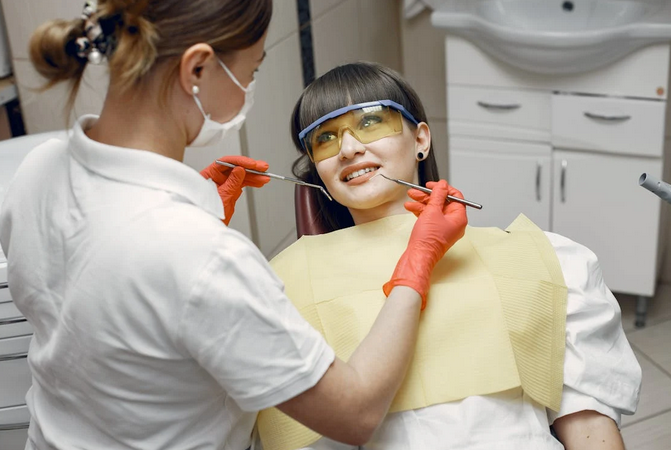
Why Preventive Dental Care Is a Key Part of a Healthy Lifestyle
Good oral health is more than a bright smile. It plays a crucial role in overall wellness. Preventive dental care focuses on maintaining healthy teeth and gums before problems arise. Regular check-ups, cleanings, and at-home habits can save individuals from discomfort, costly procedures, and long-term health issues. By prioritizing prevention, people ensure their oral health supports general well-being. This article explores why preventive dental care is a key part of a healthy lifestyle and how small daily choices can make a lasting difference. For more information, visit https://sites.google.com/view/clearwave-dental/ere.
The Role of Preventive Dental Care
Preventive dental care is about stopping problems before they start. It includes routine check-ups, professional cleanings, fluoride treatments, and patient education. Dentists can detect early signs of decay, gum disease, or other oral issues. Early intervention often avoids more complicated treatments. Prevention is less invasive and less expensive than corrective procedures. By focusing on preventive measures, individuals maintain oral function, comfort, and confidence.
Daily Oral Hygiene Habits
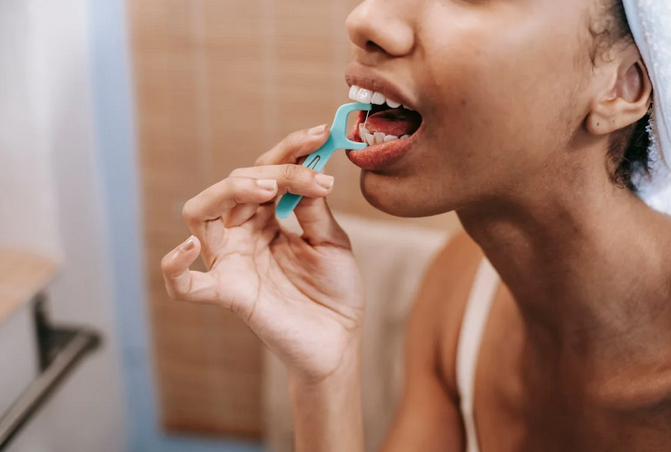
Brushing and flossing are the foundation of preventive care. Brushing twice a day removes plaque and food particles, while flossing reaches areas a toothbrush cannot. Using fluoride toothpaste strengthens enamel and protects against decay. Consistent habits may seem simple, but they have a profound impact on long-term oral health. This routine forms a strong baseline that allows dental professionals to build on during check-ups.
Regular Dental Check-ups
Visiting the dentist regularly is essential for monitoring oral health. These visits allow professionals to identify early signs of cavities, gum disease, or other conditions. Check-ups also provide personalized advice tailored to individual needs. For example, dietary recommendations or adjustments in oral care routines can be suggested. Routine visits give patients peace of mind, knowing their oral health is under professional supervision.
Professional Cleanings and Their Benefits
Even with diligent home care, plaque and tartar can accumulate in hard-to-reach areas. Professional cleanings remove these deposits and help prevent gum inflammation and tooth decay. Cleanings also polish teeth, improving appearance and reducing surface stains. Regular professional care supports healthier gums, fresher breath, and overall comfort. This unique combination of maintenance and aesthetics highlights the importance of preventive dentistry.
Prevention of Gum Disease
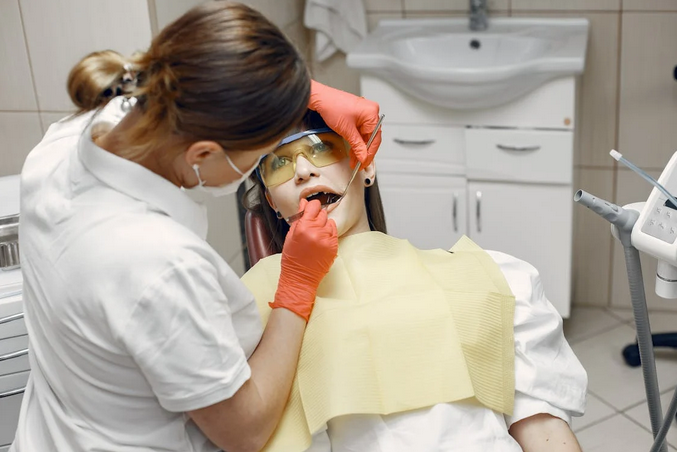
Gum disease is a common but preventable condition. Early stages, such as gingivitis, can be reversed with proper care. Without treatment, it can progress to periodontitis, leading to tooth loss and systemic health problems. Preventive care, including cleanings and proper at-home habits, helps ensure gums remain healthy. Healthy gums support teeth and maintain jaw strength, contributing to overall oral stability.
Education and Awareness
Preventive dental care also emphasizes education. Understanding the causes of decay, proper brushing techniques, and dietary influences empowers patients. Awareness encourages better habits and encourages individuals to seek timely care. By staying informed, patients can actively participate in maintaining their oral health. Knowledge and prevention together ensure sustainable outcomes.
Connection Between Oral Health and Overall Wellness
Oral health is closely linked to general health. Poor dental care can contribute to cardiovascular disease, diabetes complications, and respiratory infections. Maintaining a healthy mouth may help reduce inflammation and improve overall bodily function. Preventive care allows individuals to protect not only their teeth but also their long-term health. This holistic perspective reinforces why oral care is an integral part of a healthy lifestyle.
Preventive dental care is a cornerstone of a healthy lifestyle. It protects teeth and gums, reduces the risk of complex treatments, and supports overall wellness. Daily oral hygiene, regular check-ups, professional cleanings, and awareness all work together to maintain optimal oral health. The utmost benefit of prevention lies in long-term comfort, confidence, and well-being. By prioritizing preventive measures, individuals ensure their smiles remain healthy, functional, and vibrant for years to come.

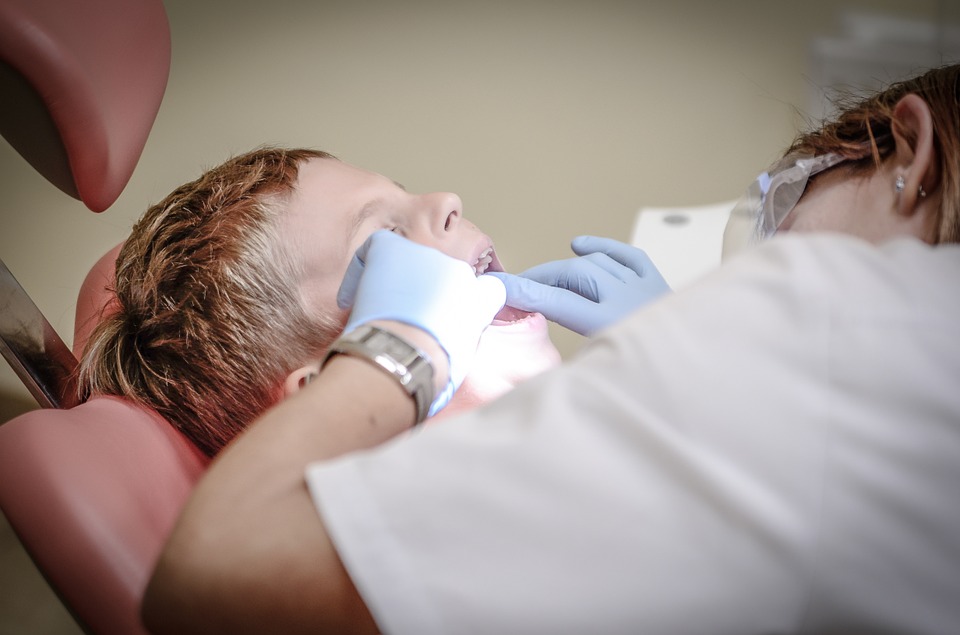
 With the high summer temperatures, both adults and kids feel dehydrated regularly. Everyone will be looking for something to quench their thirst. Some of the options available are sodas or lemonades. Kids who take part in summer sporting activities drink more than their other counterparts. Unfortunately, most of the drinks and beverages are high in their sugar content. This actually promotes the spread of harmful bacteria in your mouth. Soda and juice are naturally acidic, a condition that weakens the outer protective enamel coating of your tooth.
 When your children are in school, they have schedules that dictate the time to eat. With increased activity and summer heat, snacking becomes more frequent. Snacking too keeps exposes your mouth hygiene to a constant bacteria-filled environment. This means brushing your teeth is of utmost importance. Do not prevent your kids from snacking instead offer them alternatives such as cookies, toast, and crackers. Offer your kids alternatives such as yogurt, nuts, and cheese to address meals and snacks.