


Why Lifting Too Heavy Too Soon Is a Dangerous Gym Mistake
Starting a gym routine is an exciting step toward building strength, improving fitness, and achieving personal health goals. However, one of the most common mistakes new lifters make is trying to lift too heavy, too soon. While it might feel motivating to push big numbers early on, this is one of the common gym mistakes you need to fix. Jumping into heavy lifting without building a proper foundation can set back your progress and, in some cases, cause long-term damage. Understanding why this mistake is dangerous can help you train smarter and avoid unnecessary setbacks.
Increased Risk of Injury
When you attempt weights that are too heavy for your current strength level, your muscles, tendons, and joints are put under excessive stress. Without proper conditioning, your body is not ready to handle the load, making injuries like muscle strains, ligament tears, and back issues more likely. Poor form often comes into play as well, since lifters sacrifice technique to move heavier weights. These injuries not only derail your progress but can also take weeks or even months to fully recover from.
Slower Progress Over Time
Contrary to the belief that lifting heavier leads to faster results, starting too heavy can actually slow progress. Overexertion tires out your muscles quickly and reduces the quality of your workouts. Instead of consistent, steady growth, you risk frequent plateaus and burnout. Building strength is a gradual process that relies on progressive overload, slowly increasing weight in manageable increments. This method strengthens muscles, joints, and stabilizers, ensuring long-term development rather than short bursts of unsustainable effort.
Negative Impact on Motivation
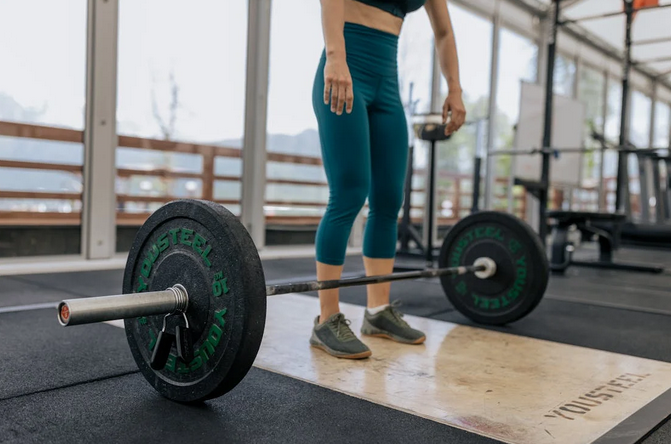
Lifting too heavy too soon can also take a toll on your confidence. Struggling with weights that are beyond your ability often leads to frustration and discouragement. Missed reps, failed sets, and constant fatigue can make training feel more like a punishment than progress. Many beginners lose motivation entirely because they fail to see results or injure themselves early on. By starting with manageable weights, you build a sense of achievement and confidence that fuels consistency, which is the real secret to fitness success.
Wrong Forms and Techniques
The early stages of training should focus on mastering technique rather than testing limits. Learning proper form with lighter weights creates a strong foundation that prevents injury and allows you to lift heavier later with confidence. Once the movement patterns are ingrained, adding weight becomes safer and more effective. Skipping this step often leads to bad habits that are difficult to correct down the road, limiting your growth potential.
Smart Training for Long-Term Success

The safest and most effective way to progress in the gym is to start with weights you can handle comfortably and gradually increase them over time. This method strengthens your muscles and connective tissues while also improving endurance and stability. Combining proper nutrition, rest, and consistent training will bring better results than rushing into heavy lifting. Remember, the goal isn’t just to lift the heaviest weight today—it’s to train in a way that allows you to keep lifting for years to come.
Lifting too heavy too soon is one of the most dangerous mistakes beginners make in the gym. It leads to injuries, slower progress, and diminished motivation, all of which can halt your fitness journey before it truly begins. By focusing on form, gradual progression, and consistency, you create a foundation that supports long-term success. Smart lifting is not about rushing into heavy weights but about training in a way that ensures safety, strength, and steady improvement.