

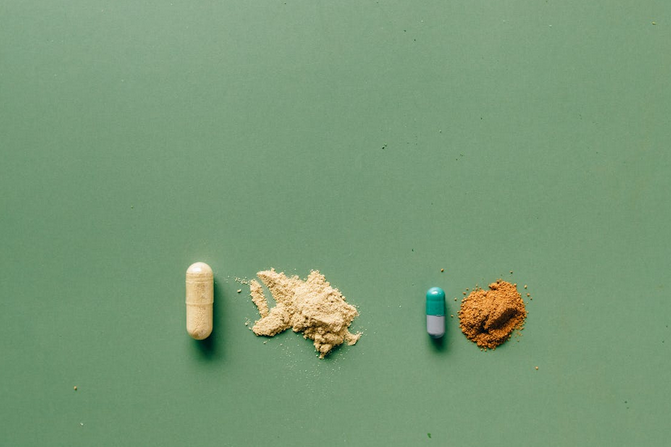
Kratom and the Body Clock: Can It Really Reset Your Energy Rhythm?
We all have an internal clock that dictates when we feel awake, alert, or ready to wind down. But modern life—late nights, screen time, stress—often throws that rhythm off balance. As people search for ways to regain steady energy throughout the day, natural alternatives like kratom have entered the conversation. Known for its stimulating and relaxing properties depending on the dose and strain, kratom has sparked curiosity about whether it can actually help “reset” your energy rhythm. So, can this plant really influence your body clock, or is that just wishful thinking?
Your Body Clock and Energy Cycles
Your body clock, also known as your circadian rhythm, operates on a roughly 24-hour cycle that regulates sleep, wakefulness, and energy levels. It’s influenced by light exposure, lifestyle habits, and even what you consume. When your rhythm is aligned, you feel energized during the day and naturally tired at night. When it’s disrupted, fatigue, brain fog, and inconsistent energy can take over. Restoring that balance typically involves consistent sleep schedules and mindful habits, but some people are now exploring herbal supplements as an added boost.
Quality and Consistency
If someone decides to incorporate kratom into their routine, consistency and quality play a major role in the experience. Products can vary widely depending on sourcing and preparation, so users often look for reputable vendors. Whether someone is exploring options like kratom portland oregon or elsewhere, the goal is to find a reliable source that provides consistent effects. This helps avoid unpredictable energy swings, which could otherwise disrupt rather than support a balanced rhythm.
How Kratom Interacts With Energy Levels
Kratom contains compounds that interact with receptors in the brain, potentially influencing mood, alertness, and relaxation. At lower doses, many users report feeling more energized and focused, similar to a mild stimulant. At higher doses, the effects can shift toward calmness and sedation. This dual nature is what makes kratom particularly interesting in discussions about energy rhythms—it doesn’t just push energy up or down, but may help users feel more in tune with their needs at different times of the day.
Can Kratom Help Reset Your Rhythm?
The idea of “resetting” your body clock with kratom is appealing, but it’s important to approach it realistically. Kratom isn’t a direct regulator of circadian rhythms like light exposure or sleep patterns. However, it may indirectly support better routines. For example, someone struggling with midday fatigue might use kratom to maintain productivity, while another person might use a more relaxing strain in the evening to unwind. In this way, it could help reinforce a more consistent daily pattern, which is key to stabilizing your internal clock.
Your Body’s Signals
One of the most important aspects of regulating your energy is learning to listen to your body. Kratom may enhance awareness of how you feel—whether you need a boost or a moment to slow down—but it shouldn’t replace healthy habits. Paying attention to sleep quality, hydration, and stress levels remains essential. When used mindfully, kratom might complement these habits rather than override them.
Kratom isn’t a magic switch that resets your body clock overnight, but it may play a supportive role in shaping more consistent energy patterns. By potentially boosting alertness or encouraging relaxation at the right times, it can help reinforce routines that align with your natural rhythm. Ultimately, the key to a balanced body clock lies in a combination of lifestyle choices, with kratom serving as just one piece of the puzzle for those who choose to explore it.