


How Quality Sleep Boosts Immunity and Growth in Children
Sleep is not just rest. For children, it’s a critical part of healthy development. While kids sleep, their bodies and brains go through processes that can’t happen as efficiently while awake. Immune strength and physical growth both depend on quality sleep. Understanding how sleep supports these systems helps parents make better choices around routines, environment, and daily habits, including implementing these simple strategies for better sleep in children.
The Role of Sleep in the Developing Body
Children’s bodies are in a constant state of change. Bones grow, tissues repair, and hormones shift from infancy through adolescence. Sleep is when much of this activity happens. During deep sleep, the body releases growth hormone, which supports cell repair and tissue development. This isn’t just about height. It also involves organ health, muscle development, and bone strength. A lack of sleep interferes with these essential functions. When a child sleeps poorly or too little, the release of growth hormone may decrease. Over time, that can slow or disrupt physical development.
How Sleep Supports the Immune System
The immune system needs rest to do its job well. While asleep, the body produces proteins called cytokines. These proteins target infection and inflammation. Cytokines are especially important when the body is fighting off illness or recovering from stress. Children who don’t get enough quality sleep may have a reduced ability to produce these proteins. That means they may be more likely to get sick and take longer to recover. Good sleep ensures that the immune system has the tools it needs to protect the body day and night.
Sleep and Vaccination Response
Vaccines help build long-term immunity by training the body to recognize harmful viruses or bacteria. But for vaccines to work effectively, the body must respond properly after they’re given. Sleep plays a direct role in this response. Studies show that children who sleep well before and after vaccinations are more likely to develop strong immunity. Poor sleep, on the other hand, can weaken the immune response, making the vaccine less effective. This connection highlights the importance of sleep around the time of routine immunizations.
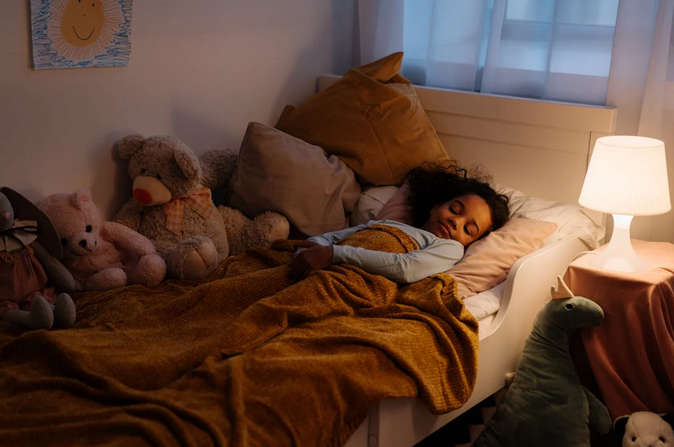
Signs of Sleep Deprivation in Children
Tired children don’t always look tired. Instead of acting sleepy, many become irritable, hyperactive, or emotional. Other signs may include poor focus, frequent illness, slow physical growth, or mood swings. When a child is chronically sleep-deprived, the impact can extend beyond the immune system and growth. Sleep affects attention, memory, and learning. So a child who isn’t sleeping well may also struggle in school or during physical activities.
How Much Sleep Children Actually Need
Sleep needs change with age. Newborns need up to 17 hours. Toddlers require around 11 to 14 hours. By the time children are school-aged, they should still be getting 9 to 12 hours each night. Teens need about 8 to 10. Getting the right amount isn’t enough by itself. The quality of sleep matters just as much. A child who wakes frequently or has difficulty falling asleep may not be getting enough deep sleep to support immunity and growth. A consistent bedtime, calm environment, and screen-free wind-down time can all help ensure better rest.
The Long-Term Benefits of Consistent Sleep
Establishing strong sleep habits early leads to long-term health benefits. Children who get enough rest tend to have better growth patterns, stronger immune systems, and improved emotional regulation. These children are also more likely to stay healthy as they age. Good sleep habits reduce stress hormones, support metabolism, and improve resilience. They also help children perform better in school and enjoy more energy during play. The result is a more balanced and capable child, both physically and emotionally.
Parents play a key role in setting the tone for sleep. This doesn’t mean strict routines at all costs. Instead, it means creating an environment where sleep is protected and prioritized. This includes setting bedtimes that allow for adequate rest, limiting caffeine and sugar in the evening, and reducing noise and distractions in the bedroom. Every child is different. Some may need a longer wind-down period. Others may benefit from soft lighting or white noise. Finding what works takes time, but the effort pays off. When children sleep well, they’re better equipped to grow, fight off illness, and face each day with strength.